Mountain
Mount Kilimanjaro
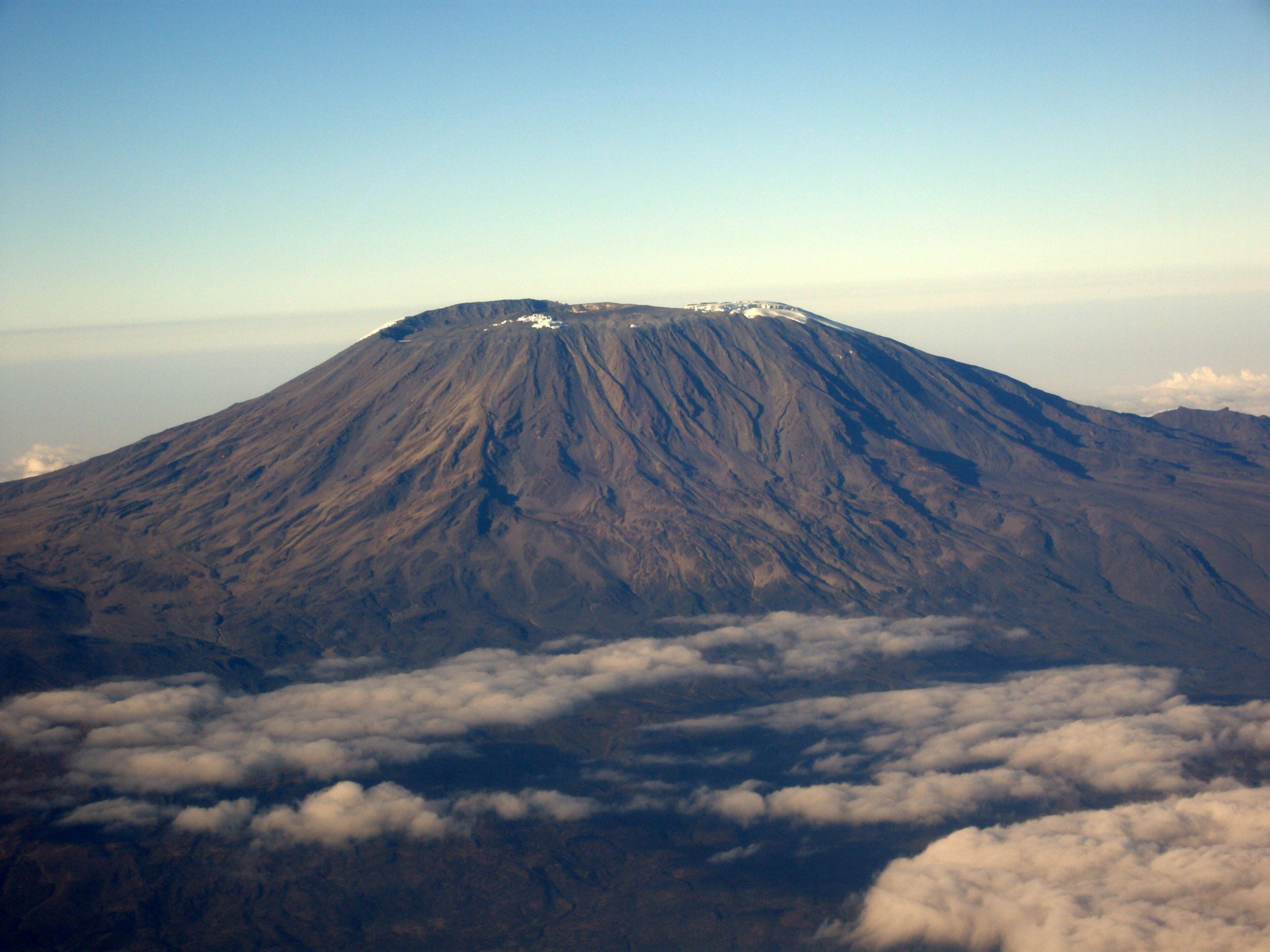
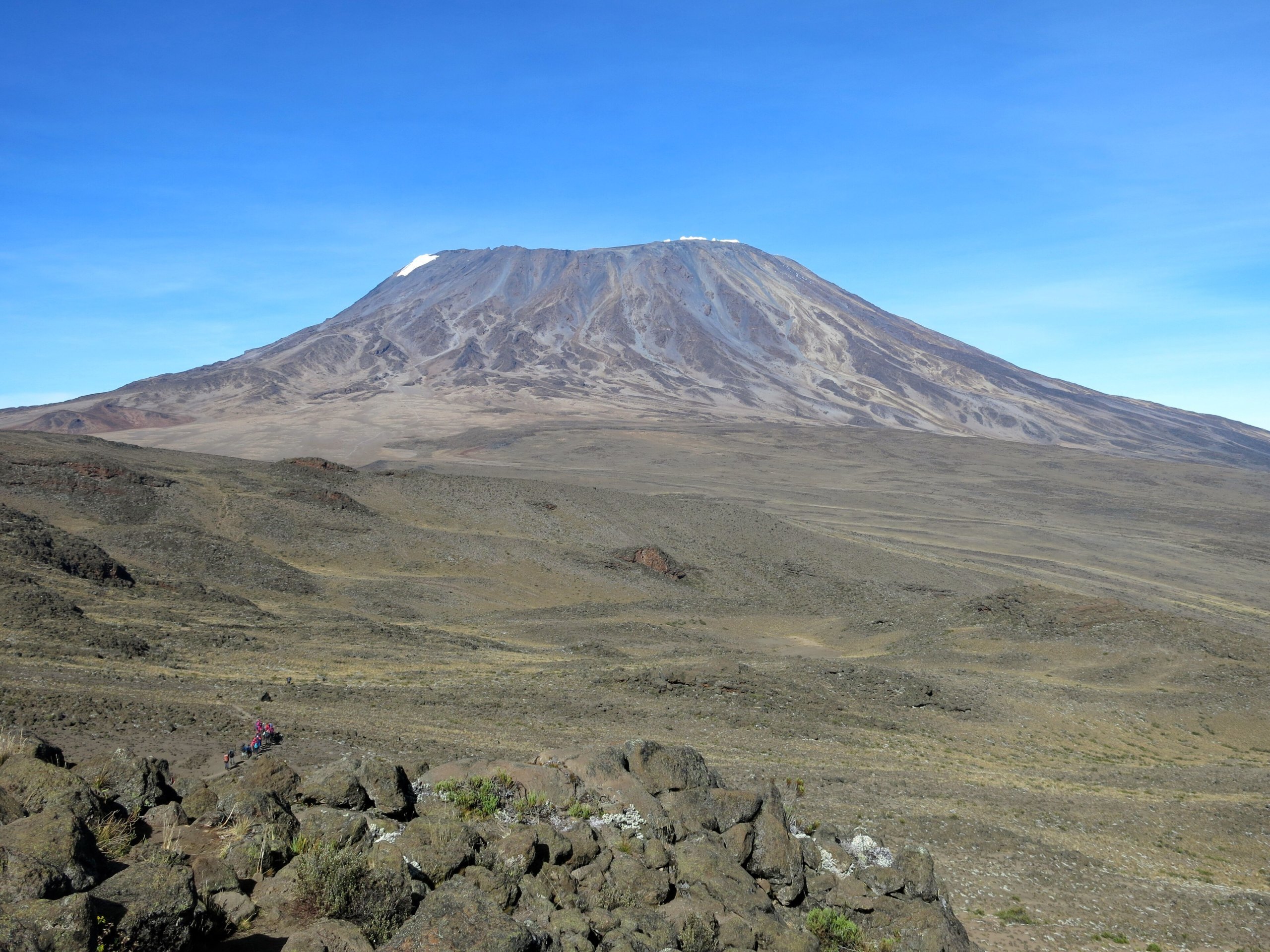
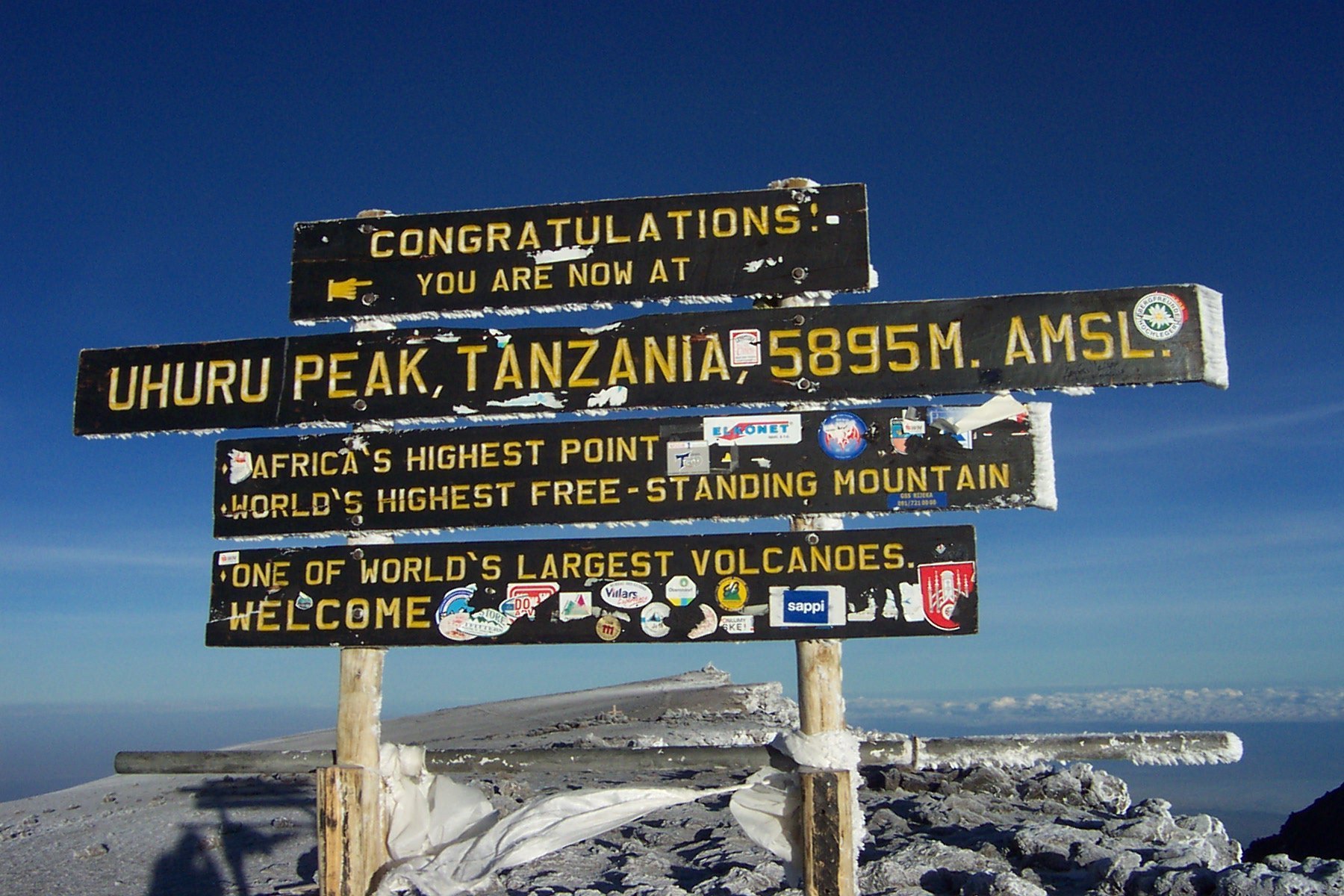
Kilimanjaro is the highest mountain in Africa and the world’s tallest free-standing mountain. No technical climbing is needed to reach Uhuru Peak, but altitude makes it a serious challenge.
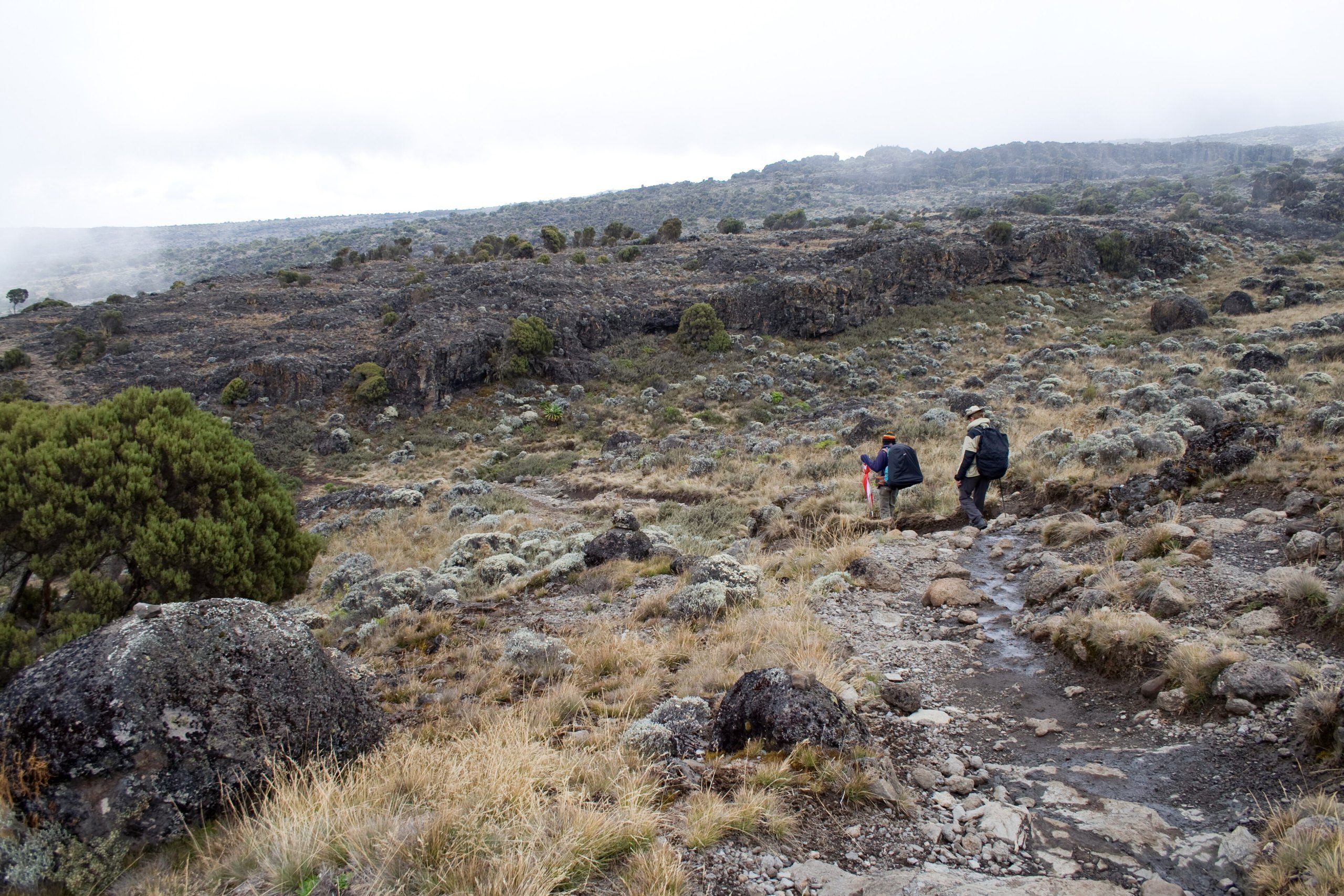
Kilimanjaro National Park protects the mountain above the tree line and its forest belt, and has been a UNESCO World Heritage Site since 1987. On the way to the summit, climbers pass through five climate zones: cultivated farmland, rainforest, heather and moorland, alpine desert and the arctic summit zone.
Choosing a route
The main routes are Machame, Lemosho, Marangu, Rongai, Umbwe and the Northern Circuit. Routes with more days give your body more time to adjust to altitude, and the summit success rate rises with every extra day. For most climbers we recommend 7 or 8 days.
Safety first
Altitude sickness can affect anyone, whatever their fitness. Our guides check every climber’s oxygen saturation and pulse twice a day and carry emergency oxygen, and the decision to descend is always the guide’s.
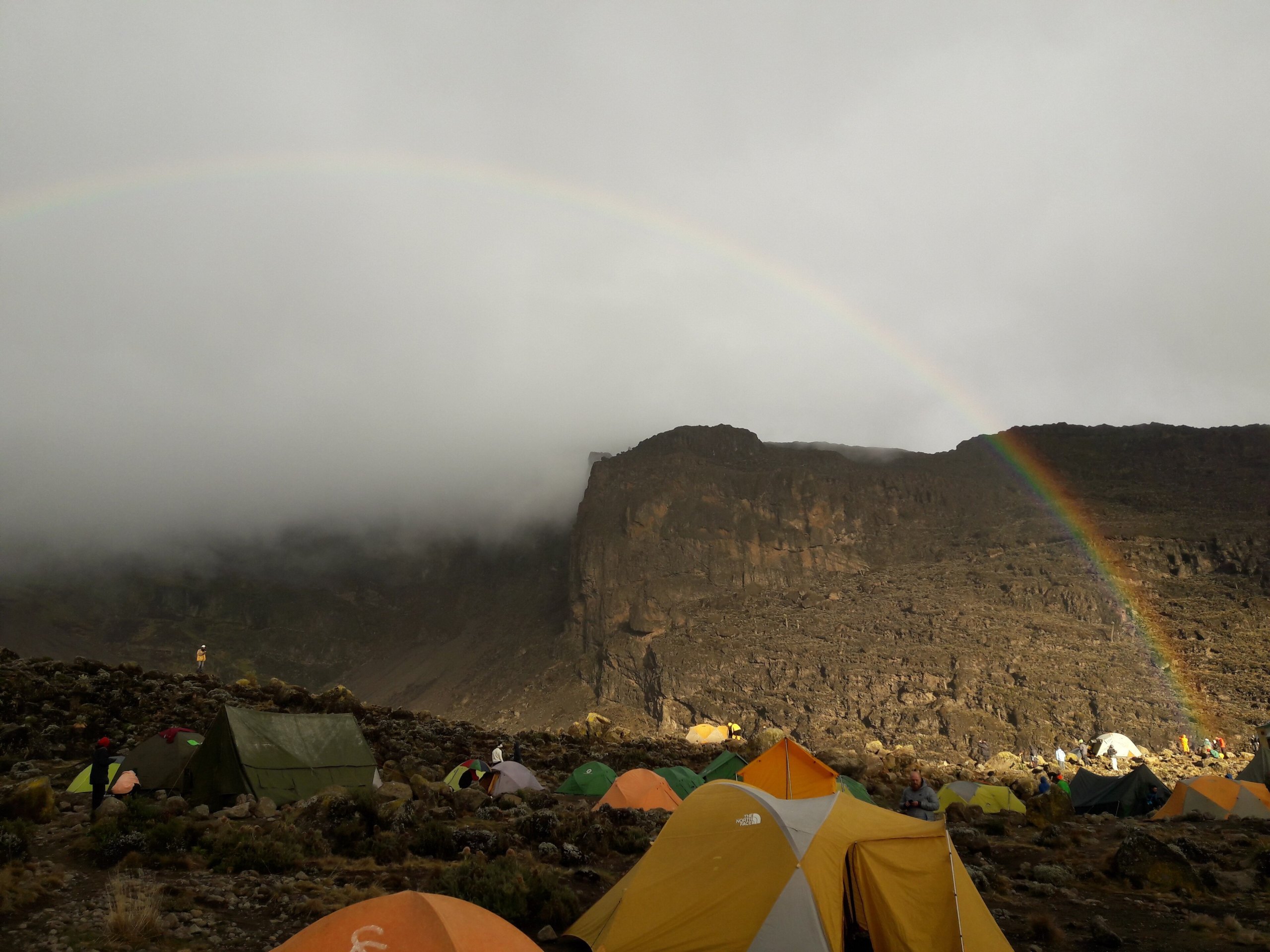
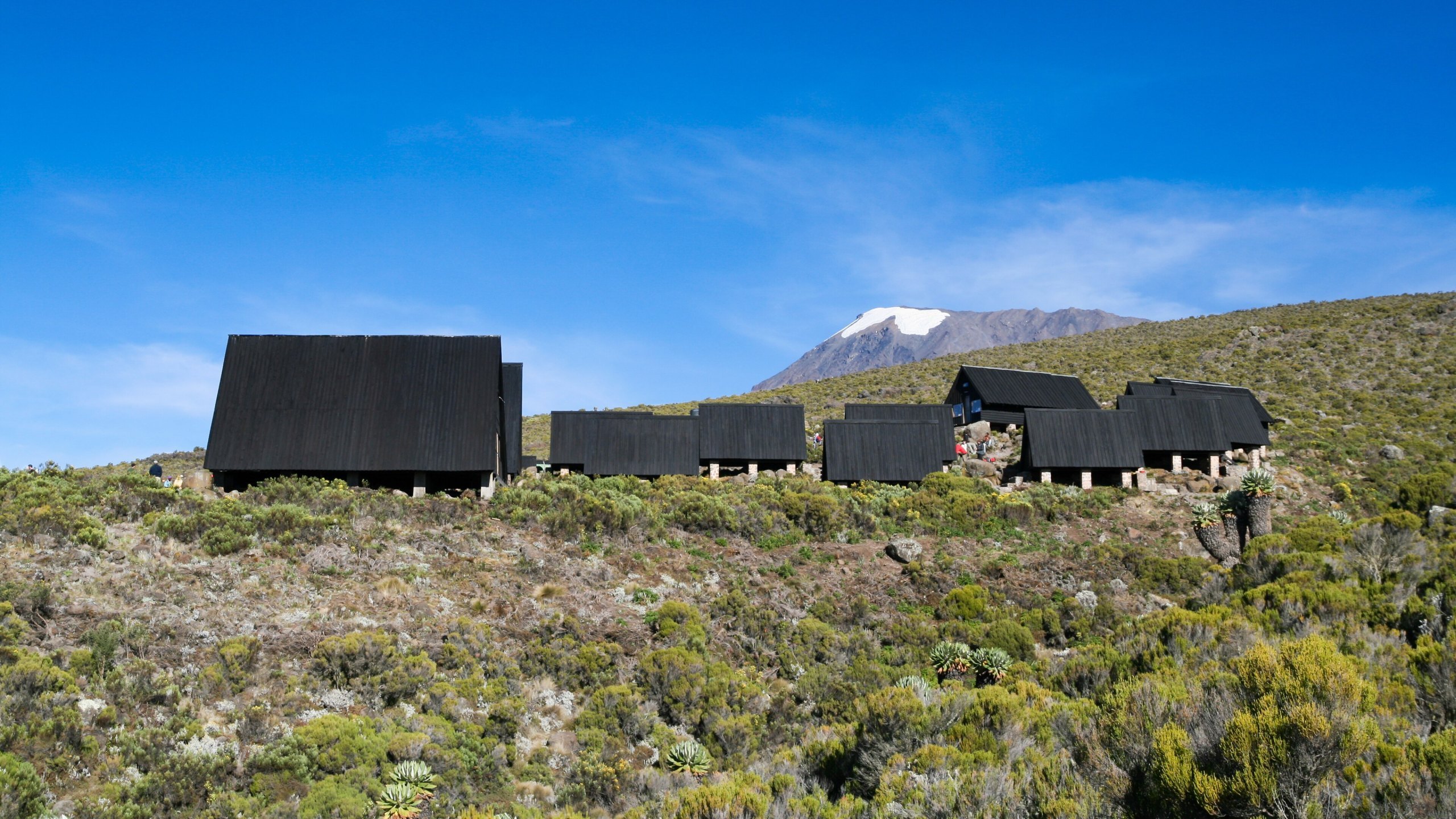
Where we stay
Mountain camp / hut
Machame Camp
Mountain camp / hut
Shira 2 Camp
Mountain camp / hut
Barranco Camp
Mountain camp / hut
Karanga Camp
Mountain camp / hut
Barafu Camp
Mountain camp / hut
Mweka Camp
Mountain camp / hut
Mti Mkubwa Camp
Mountain camp / hut
Shira 1 Camp
Mountain camp / hut
Mandara Hut
Mountain camp / hut
Horombo Hut
Mountain camp / hut
Kibo Hut
Mountain camp / hut
Simba Camp (Rongai)
Mountain camp / hut
Kikelewa Camp
Mountain camp / hut
Mawenzi Tarn Camp